
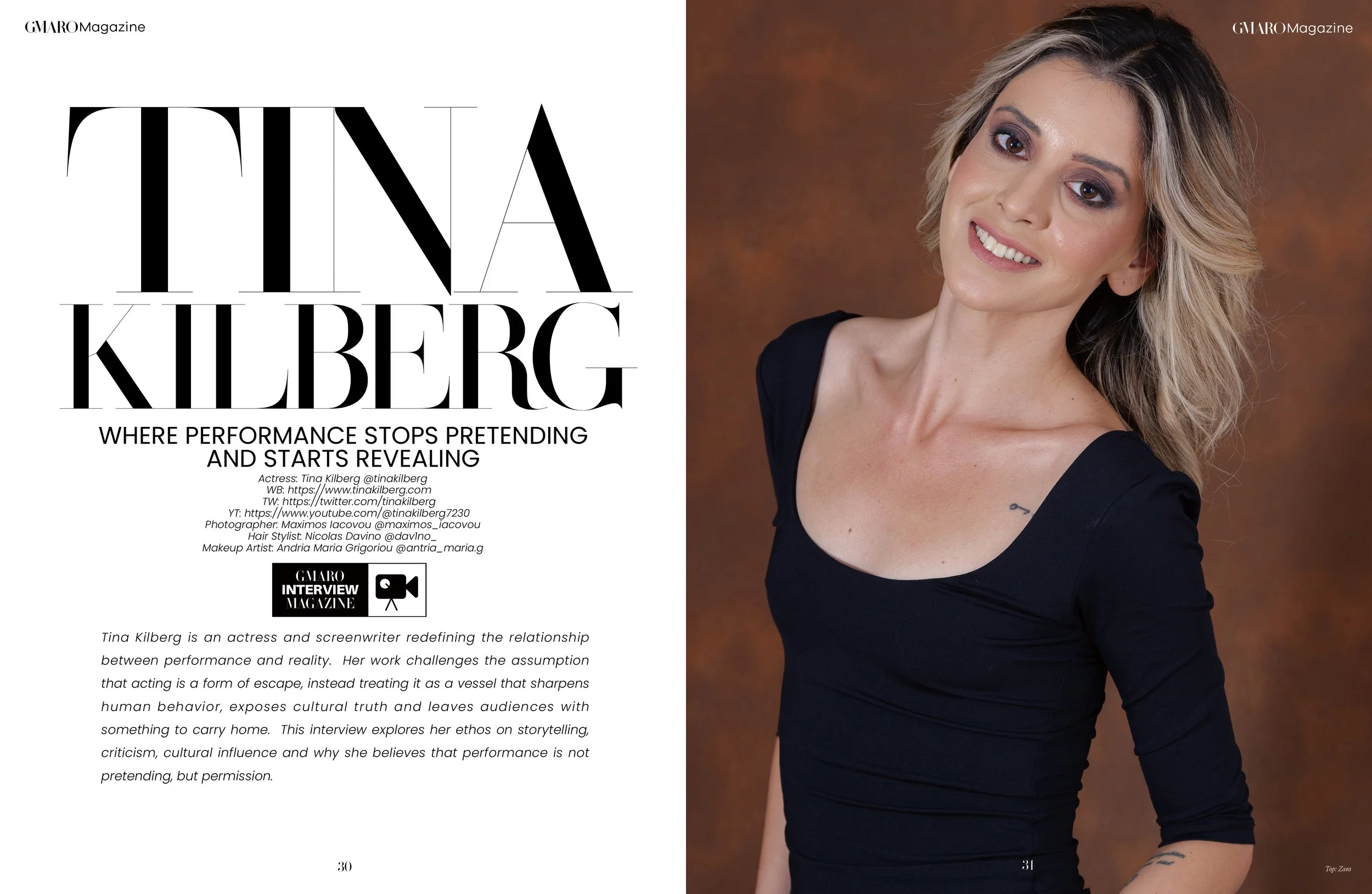
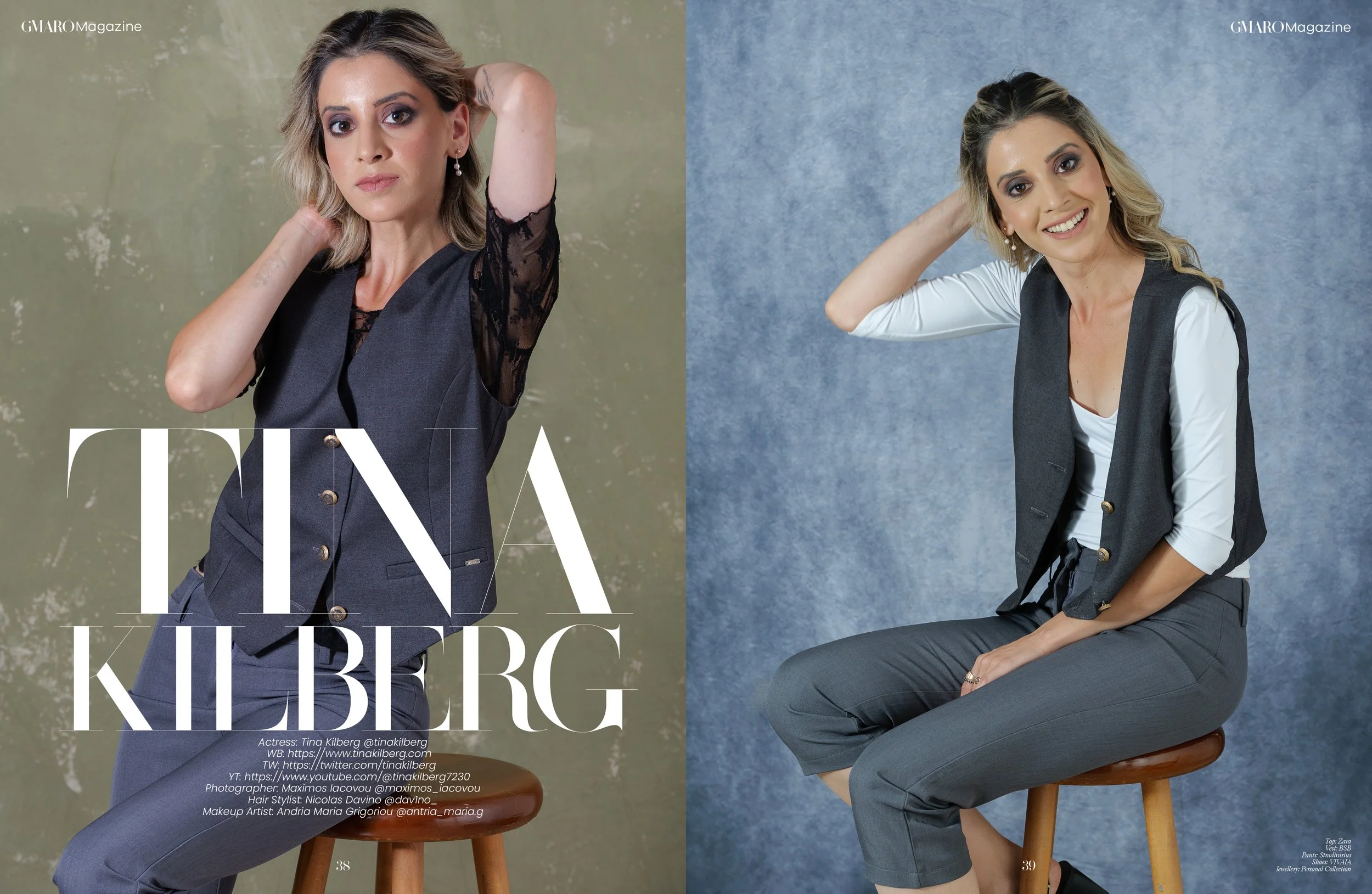
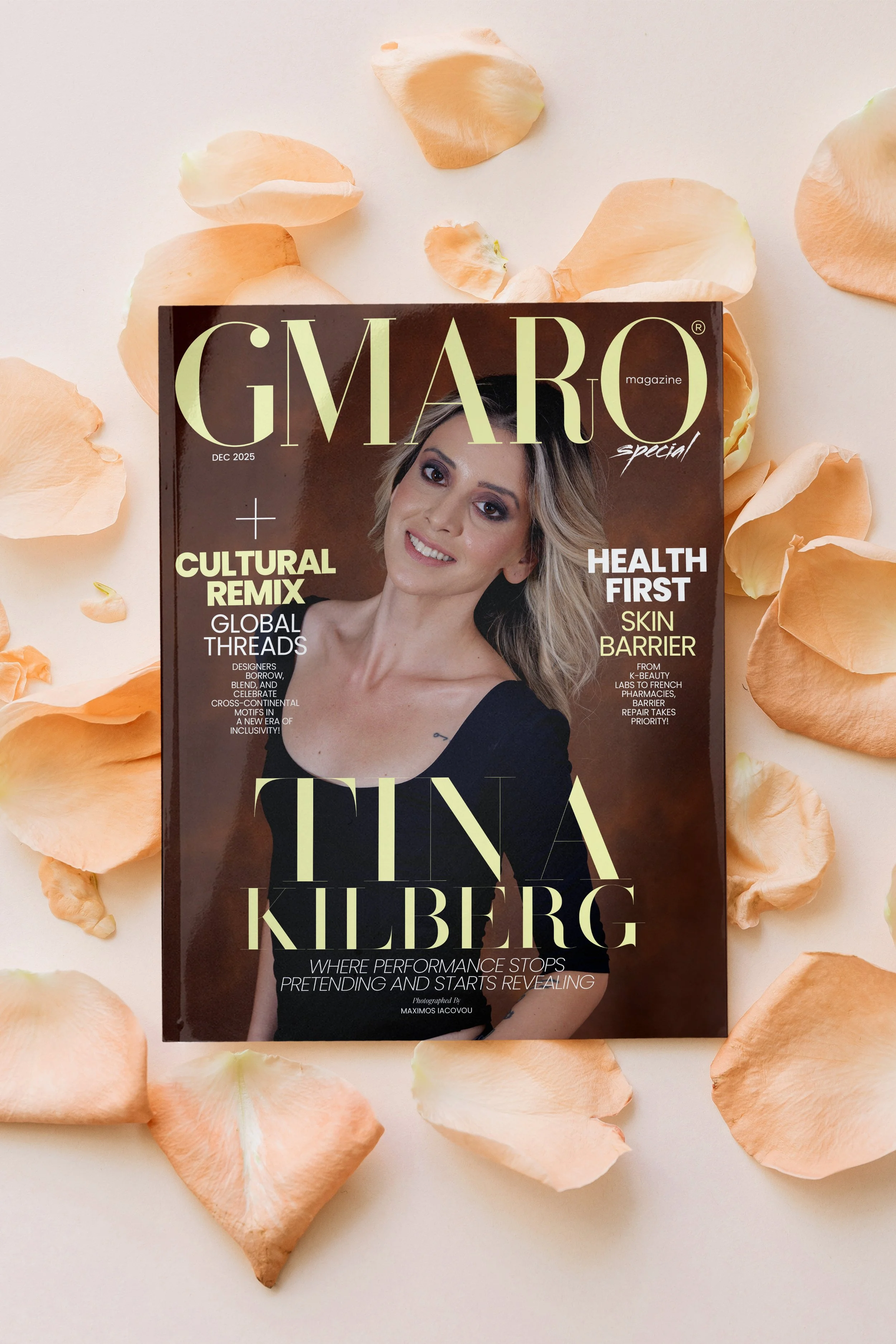
GMARO Magazine December 2025 Issue #19 introduces cover star Tina Kilberg, an actress and screenwriter redefining how performance intersects with reality. In this exclusive feature, she reflects on storytelling, identity, failure, and the quiet force of a performance that lingers long after the final frame. For Kilberg, acting is not escape but permission — a sharpening of truth, a dialogue shaped in silence, and a message that belongs to the audience the moment it leaves her hands.
——————————————
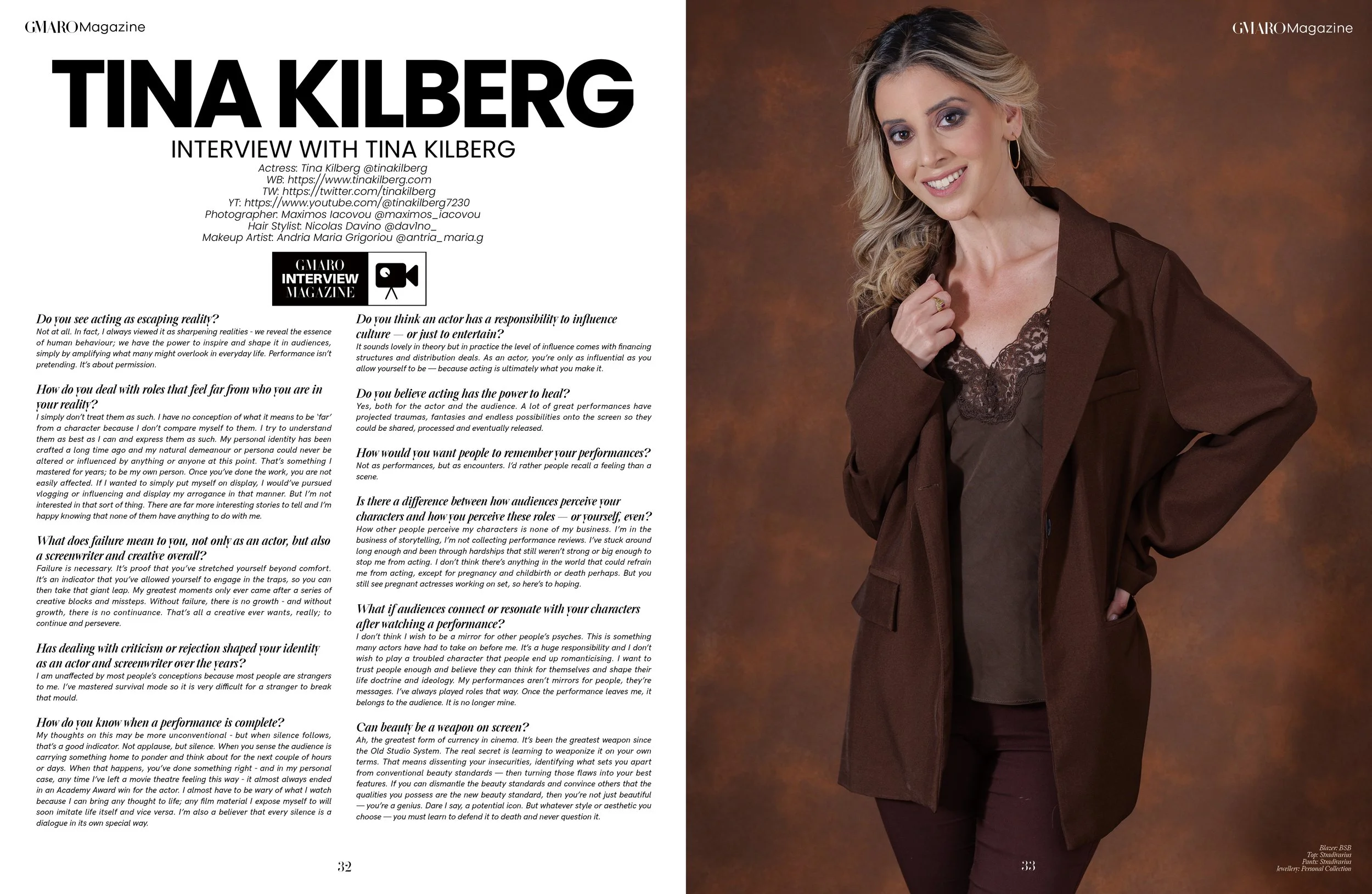
Cover Actress: Tina Kilberg @tinakilberg
WB: https://www.tinakilberg.com
TW: https://twitter.com/tinakilberg
YT: https://www.youtube.com/@tinakilberg7230
Photographer: Maximos Iacovou @maximos_iacovou
Hair Stylist: Nicolas Davino @dav1no_
Makeup Artist: Andria Maria Grigoriou @antria_maria.g
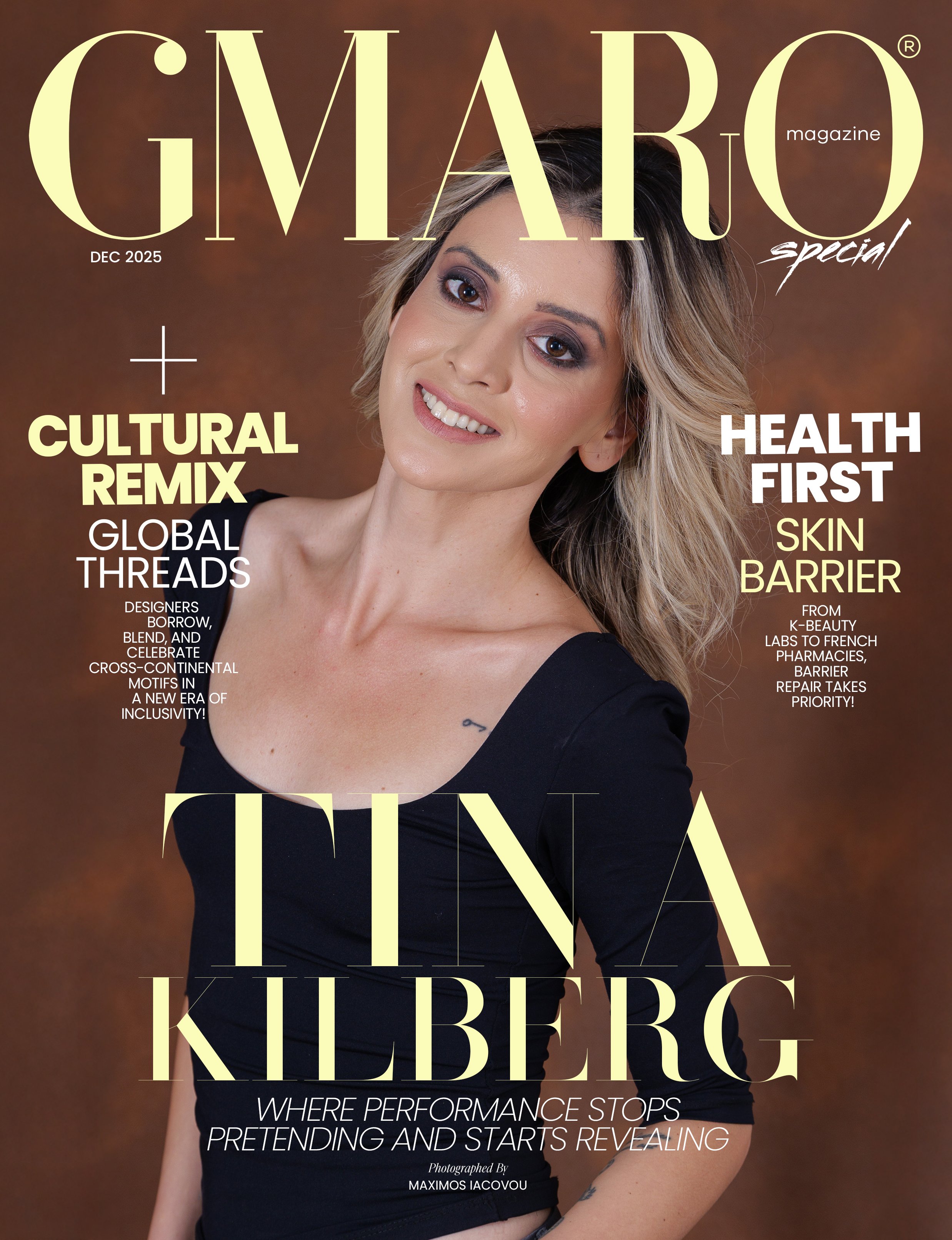
Tina Kilberg is an actress and screenwriter redefining the relationship between performance and reality. Her work challenges the assumption that acting is a form of escape, instead treating it as a vessel that sharpens human behavior, exposes cultural truth and leaves audiences with something to carry home. This interview explores her ethos on storytelling, criticism, cultural influence and why she believes that performance is not pretending, but permission.
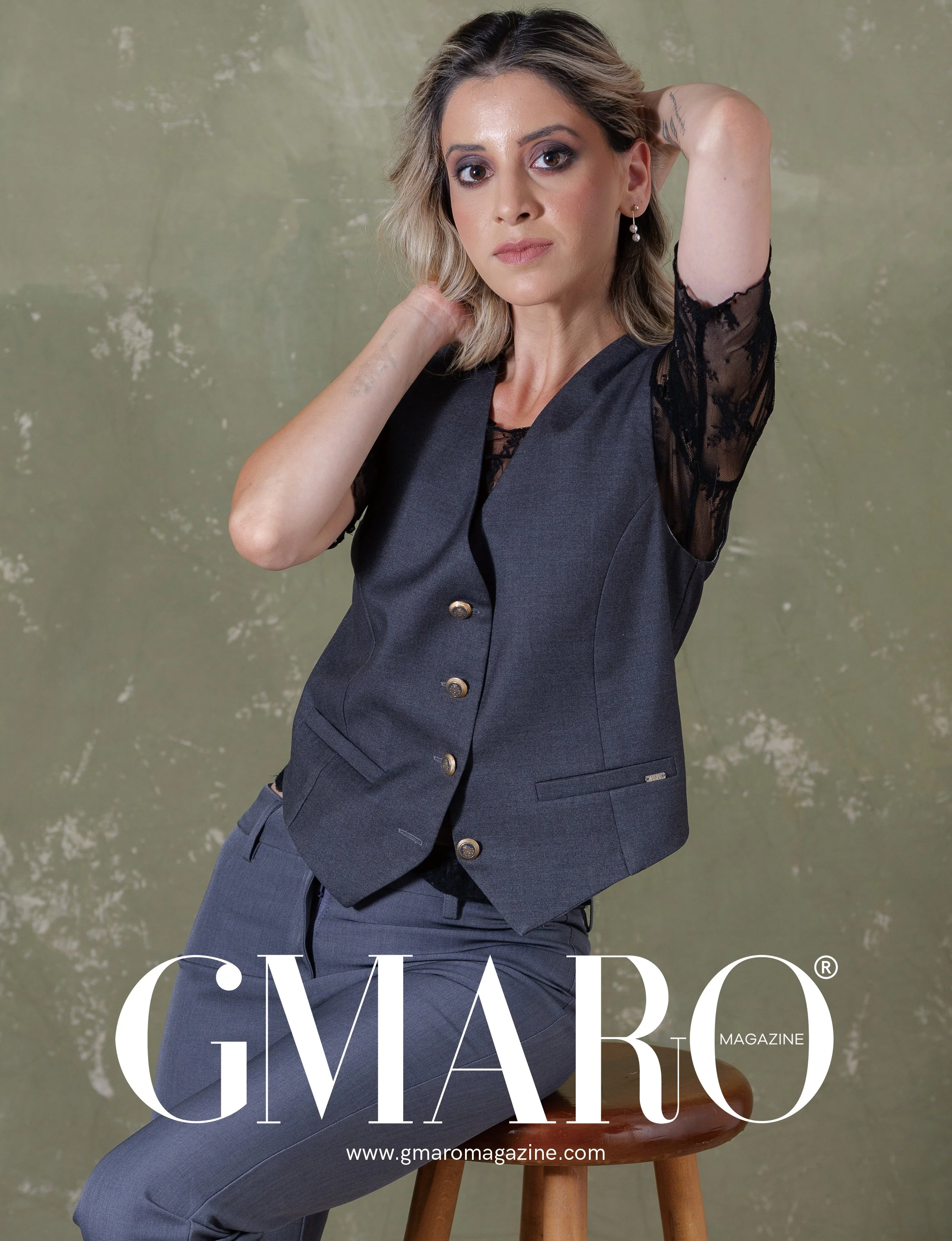
Do you see acting as escaping reality?
Not at all. In fact, I always viewed it as sharpening realities - we reveal the essence of human behaviour; we have the power to inspire and shape it in audiences, simply by amplifying what many might overlook in everyday life. Performance isn’t pretending. It’s about permission.
How do you deal with roles that feel far from who you are in your reality?
I simply don’t treat them as such. I have no conception of what it means to be ‘far’ from a character because I don’t compare myself to them. I try to understand them as best as I can and express them as such. My personal identity has been crafted a long time ago and my natural demeanour or persona could never be altered or influenced by anything or anyone at this point. That’s something I mastered for years; to be my own person. Once you’ve done the work, you are not easily affected. If I wanted to simply put myself on display, I would’ve pursued vlogging or influencing and display my arrogance in that manner. But I’m not interested in that sort of thing. There are far more interesting stories to tell and I’m happy knowing that none of them have anything to do with me.
What does failure mean to you, not only as an actor, but also a screenwriter and creative overall?
Failure is necessary. It’s proof that you’ve stretched yourself beyond comfort. It’s an indicator that you’ve allowed yourself to engage in the traps, so you can then take that giant leap. My greatest moments only ever came after a series of creative blocks and missteps. Without failure, there is no growth - and without growth, there is no continuance. That’s all a creative ever wants, really; to continue and persevere.
Has dealing with criticism or rejection shaped your identity as an actor and screenwriter over the years?
I am unaffected by most people’s conceptions because most people are strangers to me. I’ve mastered survival mode so it is very difficult for a stranger to break that mould.
How do you know when a performance is complete?
My thoughts on this may be more unconventional - but when silence follows, that’s a good indicator. Not applause, but silence. When you sense the audience is carrying something home to ponder and think about for the next couple of hours or days. When that happens, you’ve done something right - and in my personal case, any time I’ve left a movie theatre feeling this way - it almost always ended in an Academy Award win for the actor. I almost have to be wary of what I watch because I can bring any thought to life; any film material I expose myself to will soon imitate life itself and vice versa. I’m also a believer that every silence is a dialogue in its own special way.
Do you think an actor has a responsibility to influence culture — or just to entertain?
It sounds lovely in theory but in practice the level of influence comes with financing structures and distribution deals. As an actor, you’re only as influential as you allow yourself to be — because acting is ultimately what you make it.
Do you believe acting has the power to heal?
Yes, both for the actor and the audience. A lot of great performances have projected traumas, fantasies and endless possibilities onto the screen so they could be shared, processed and eventually released.
How would you want people to remember your performances?
Not as performances, but as encounters. I’d rather people recall a feeling than a scene.
Is there a difference between how audiences perceive your characters and how you perceive these roles — or yourself, even?
How other people perceive my characters is none of my business. I’m in the business of storytelling, I’m not collecting performance reviews. I’ve stuck around long enough and been through hardships that still weren’t strong or big enough to stop me from acting. I don’t think there’s anything in the world that could refrain me from acting, except for pregnancy and childbirth or death perhaps. But you still see pregnant actresses working on set, so here’s to hoping.
What if audiences connect or resonate with your characters after watching a performance?
I don’t think I wish to be a mirror for other people’s psyches. This is something many actors have had to take on before me. It’s a huge responsibility and I don’t wish to play a troubled character that people end up romanticising. I want to trust people enough and believe they can think for themselves and shape their life doctrine and ideology. My performances aren’t mirrors for people, they’re messages. I’ve always played roles that way. Once the performance leaves me, it belongs to the audience. It is no longer mine.
Can beauty be a weapon on screen?
Ah, the greatest form of currency in cinema. It’s been the greatest weapon since the Old Studio System. The real secret is learning to weaponize it on your own terms. That means dissenting your insecurities, identifying what sets you apart from conventional beauty standards — then turning those flaws into your best features. If you can dismantle the beauty standards and convince others that the qualities you possess are the new beauty standard, then you’re not just beautiful — you’re a genius. Dare I say, a potential icon. But whatever style or aesthetic you choose — you must learn to defend it to death and never question it.