Perfectly Imperfect — The Human Side of Modern Modeling
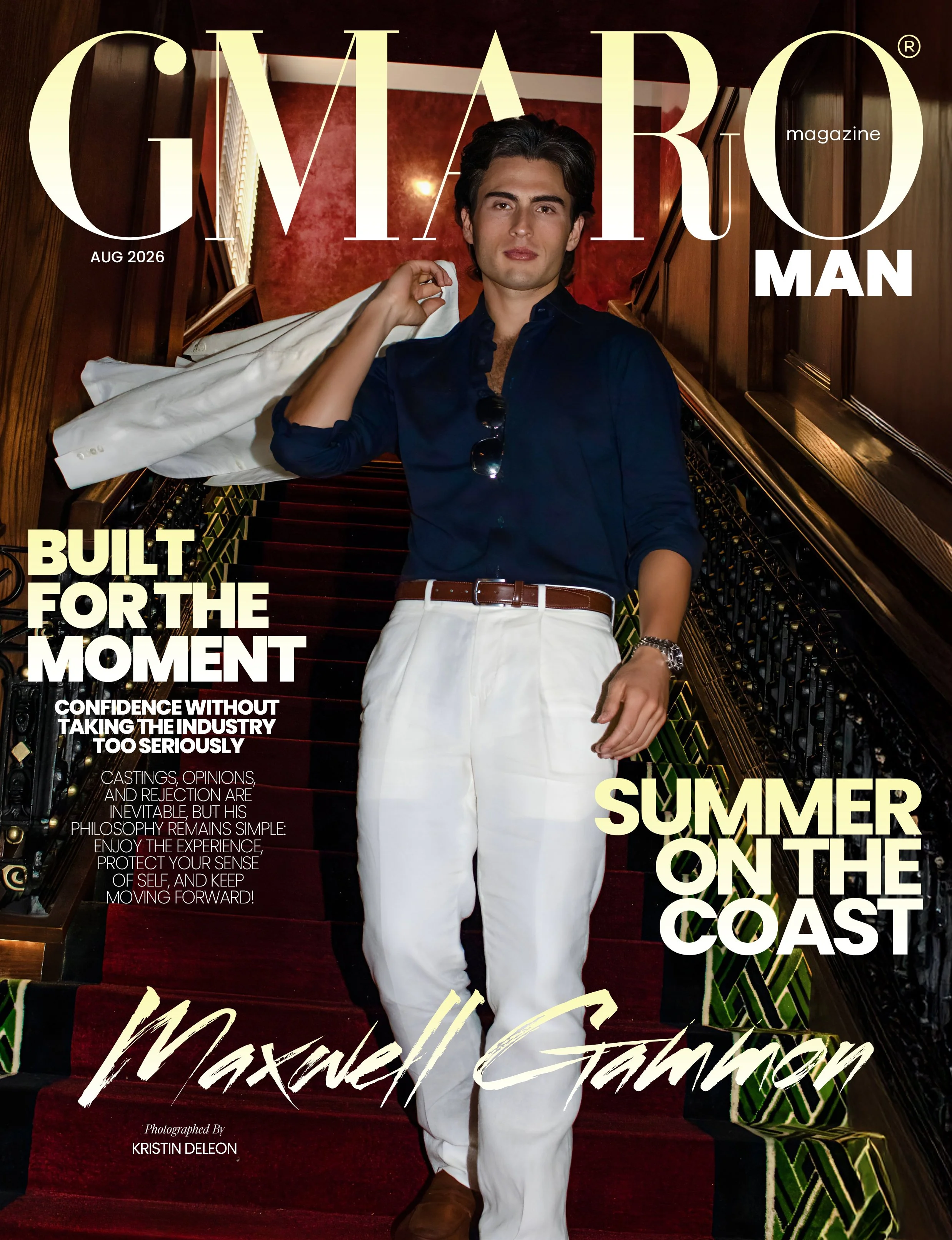
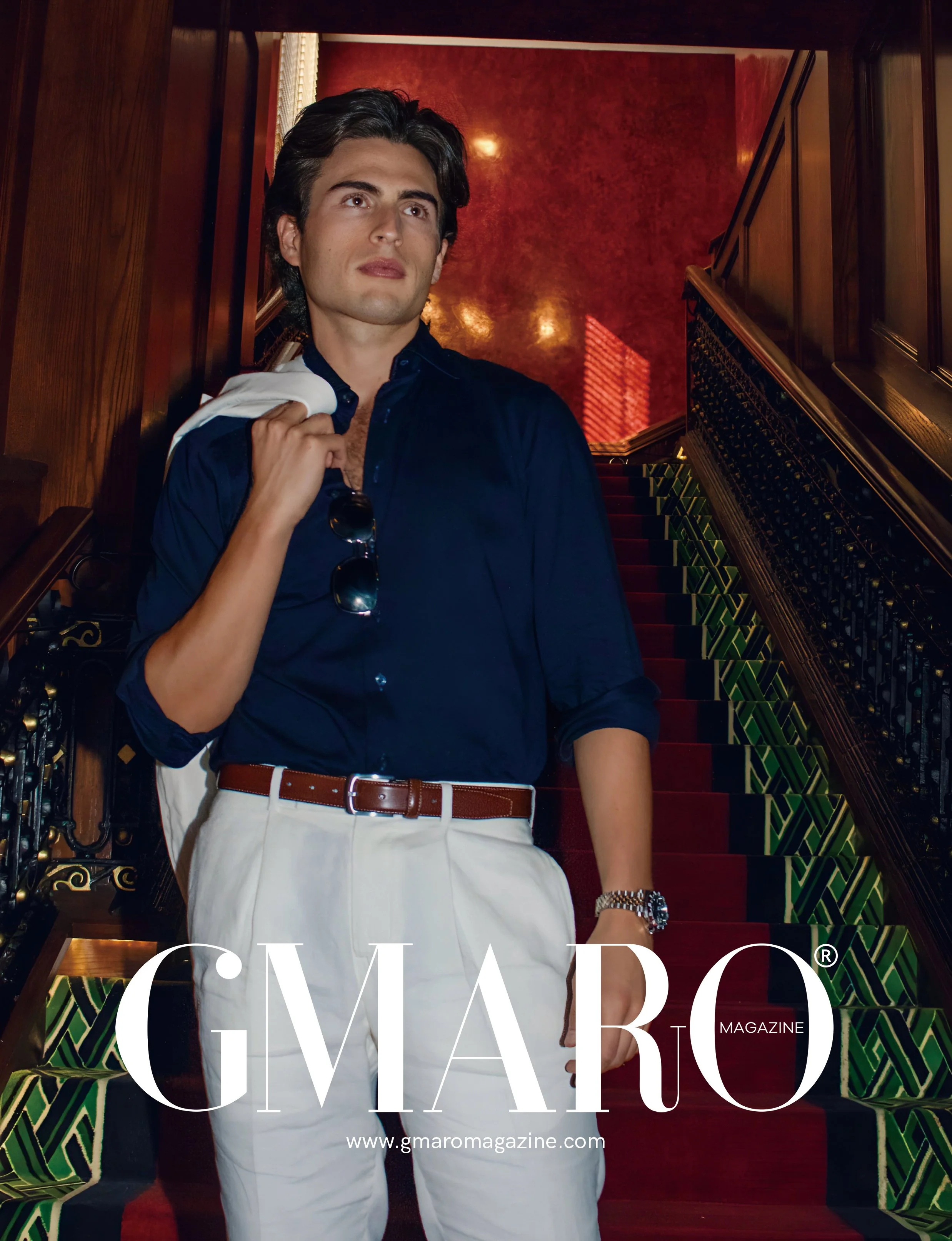
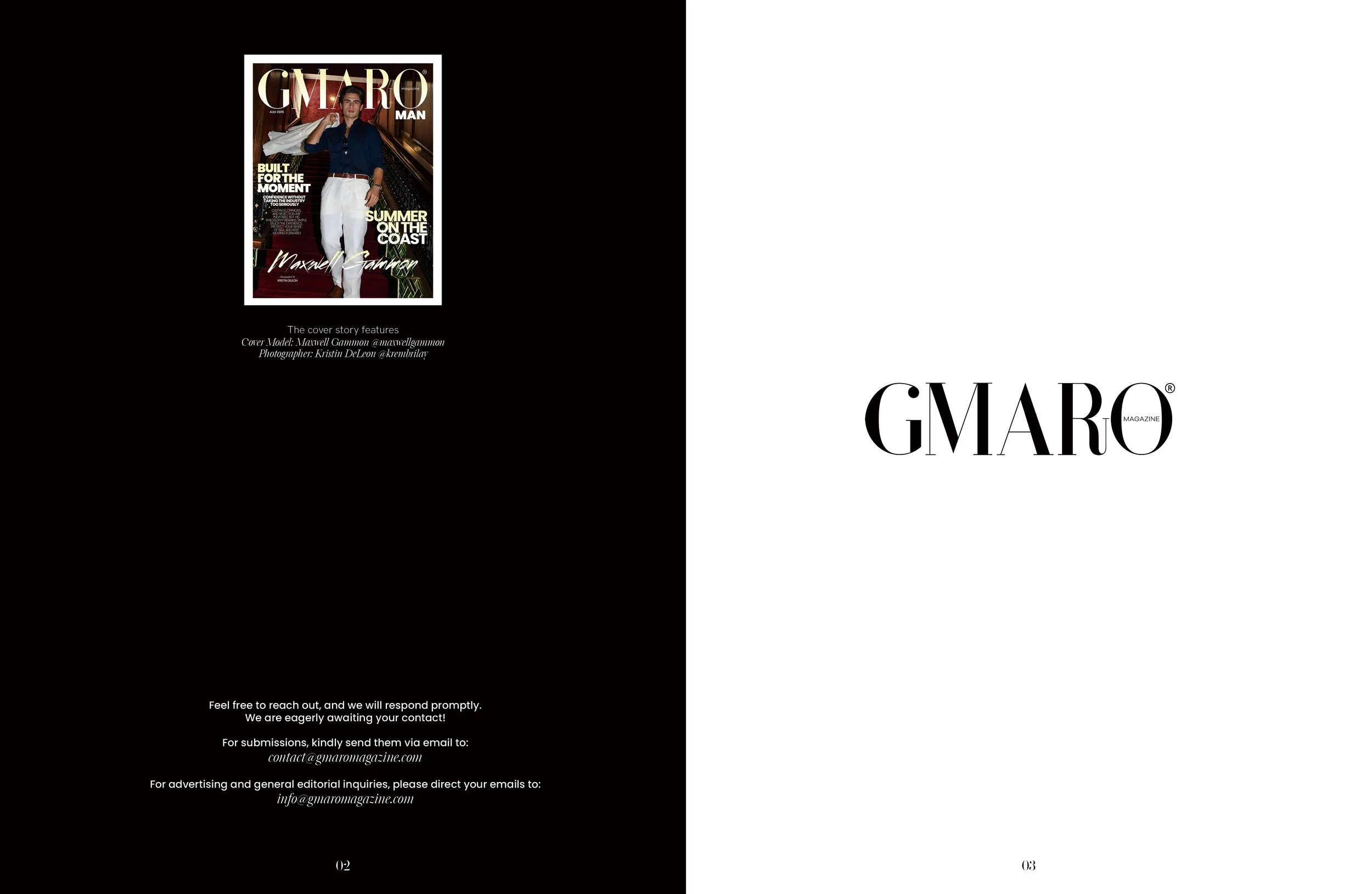
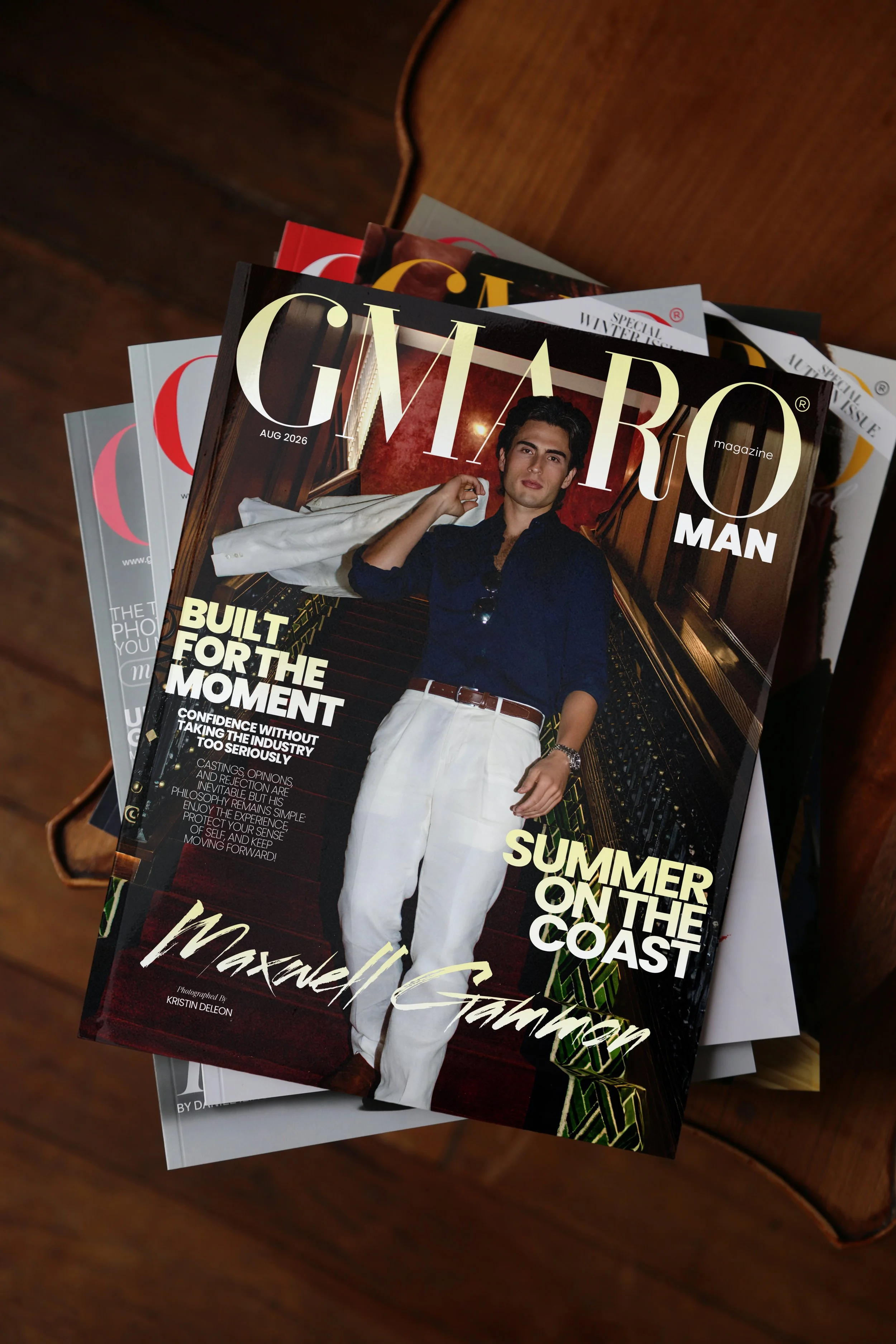
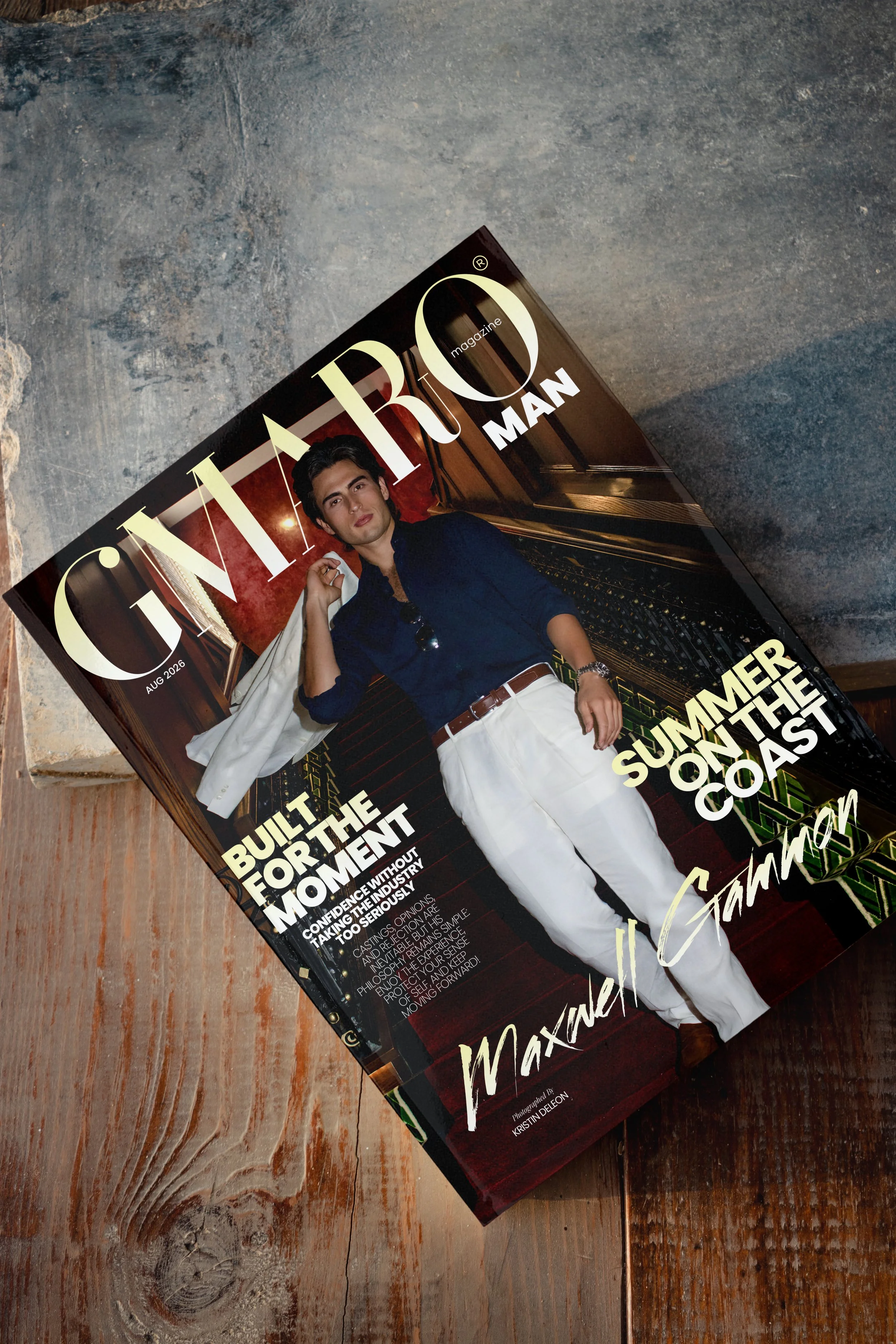
For the GMARO Magazine August 2026 Issue #14, cover model Maxwell Gammon @maxwellgammon steps into focus with a story shaped by spontaneity, authenticity, and an unexpected path into fashion.
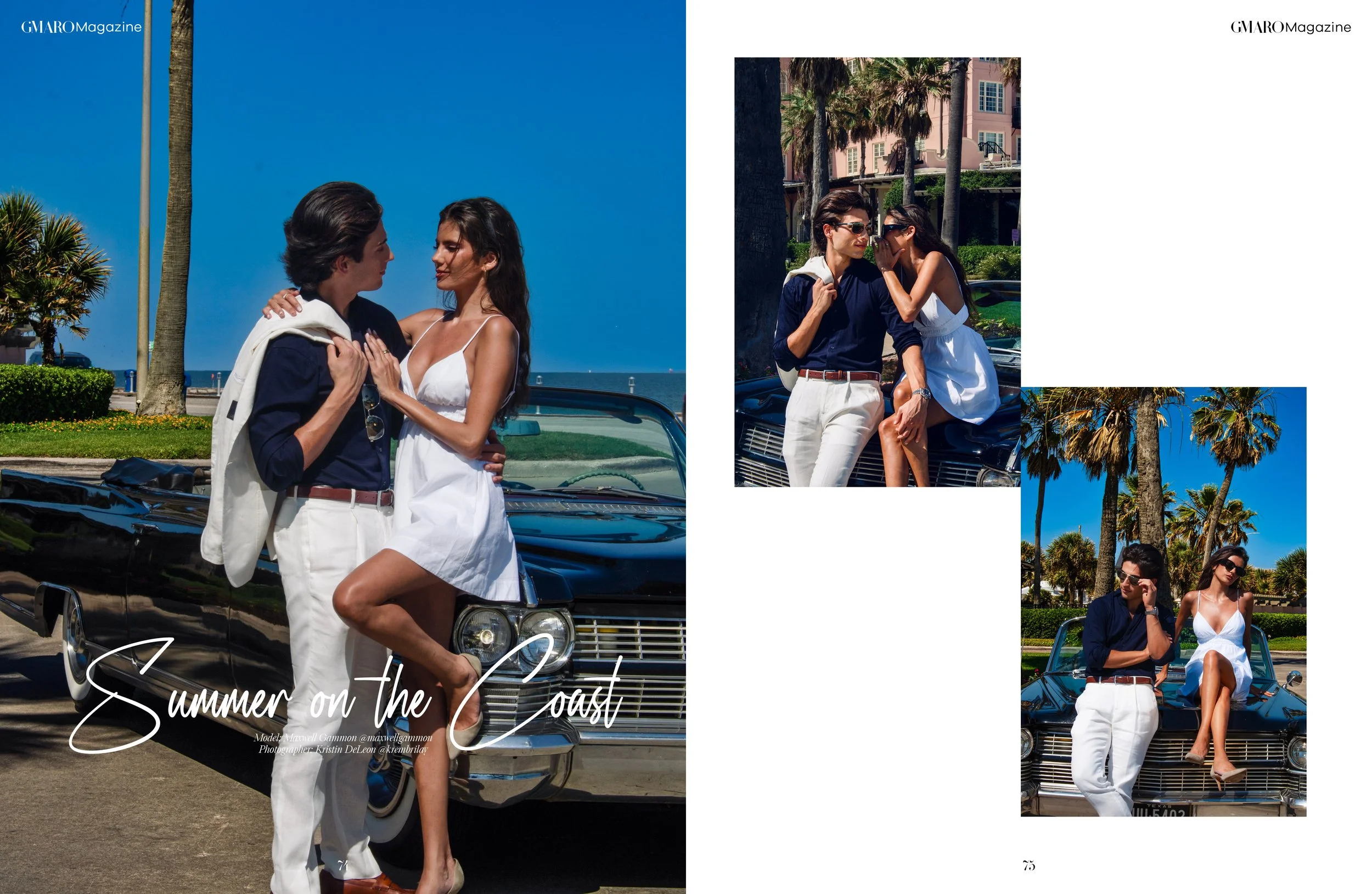
For Maxwell, strong fashion imagery is never only about clothing. It is about storytelling — creating a feeling, a world, and a moment that looks lived rather than manufactured. He values the trust between model and photographer, especially when it allows room for spontaneity and those subtle, unexpected details that make an image feel real.
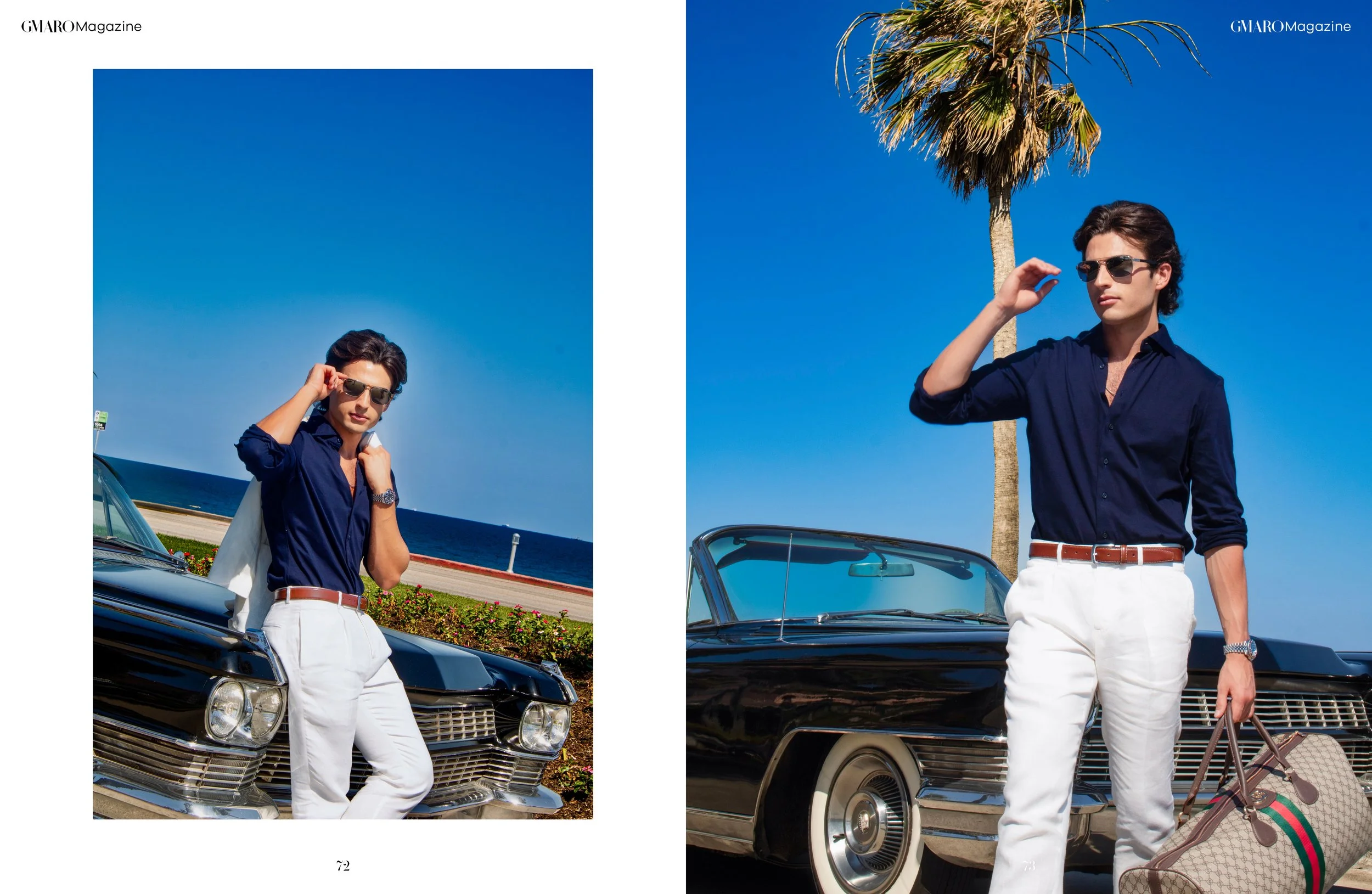
His personal fashion perspective is equally grounded in timelessness. Drawn to the enduring identity of brands such as Ralph Lauren and Brooks Brothers, he values sophistication that does not depend on constantly chasing trends.
Now, Maxwell is also looking beyond the frame. With growing interest in creative direction, concept development, and the broader visual process, his ambitions are expanding toward both sides of the camera.
GMARO Magazine is proud to feature Maxwell Gammon on the cover of Issue #14 — celebrating authenticity, collaboration, and a career still evolving in unexpected and exciting directions.
——————————————
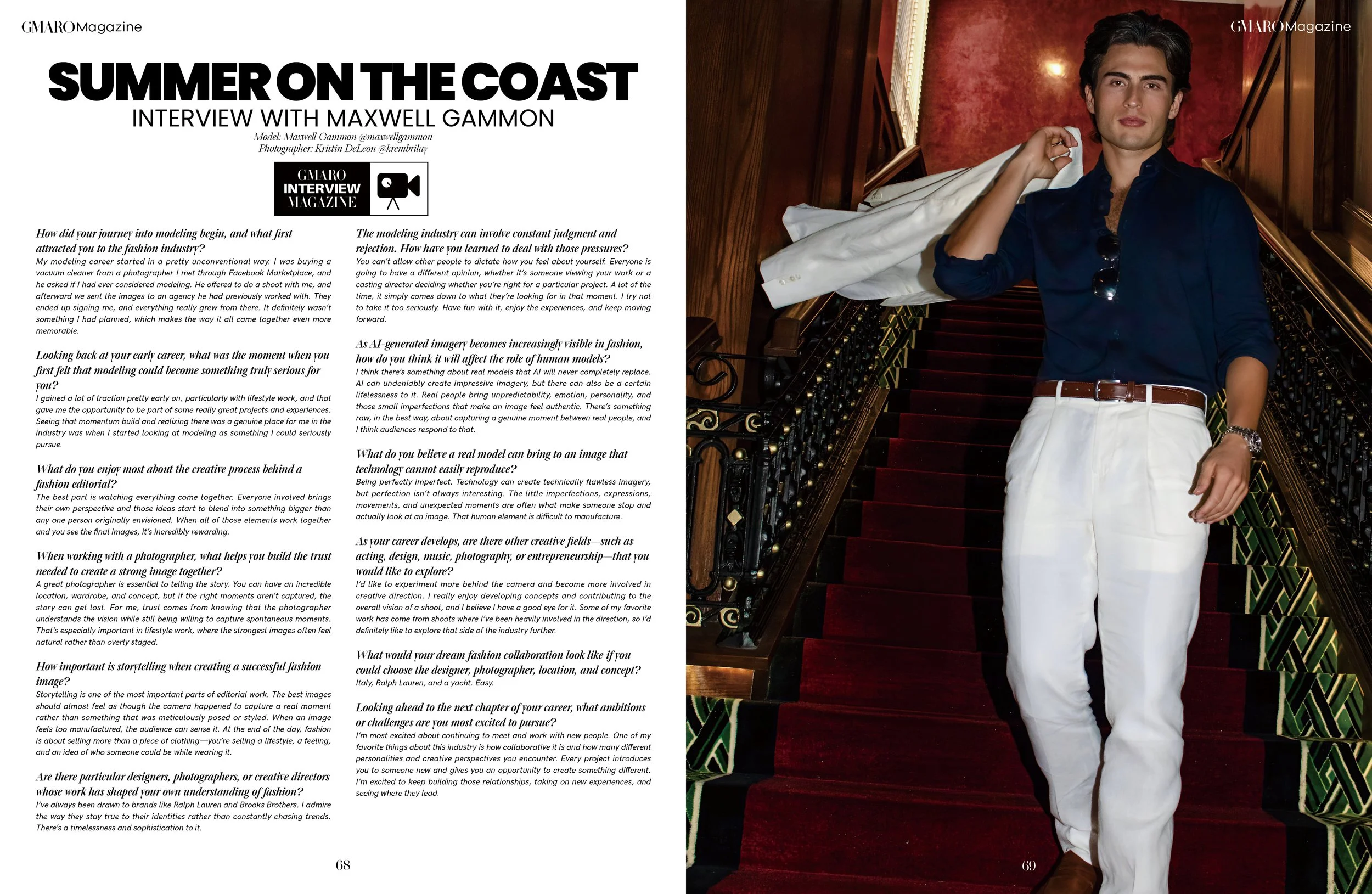
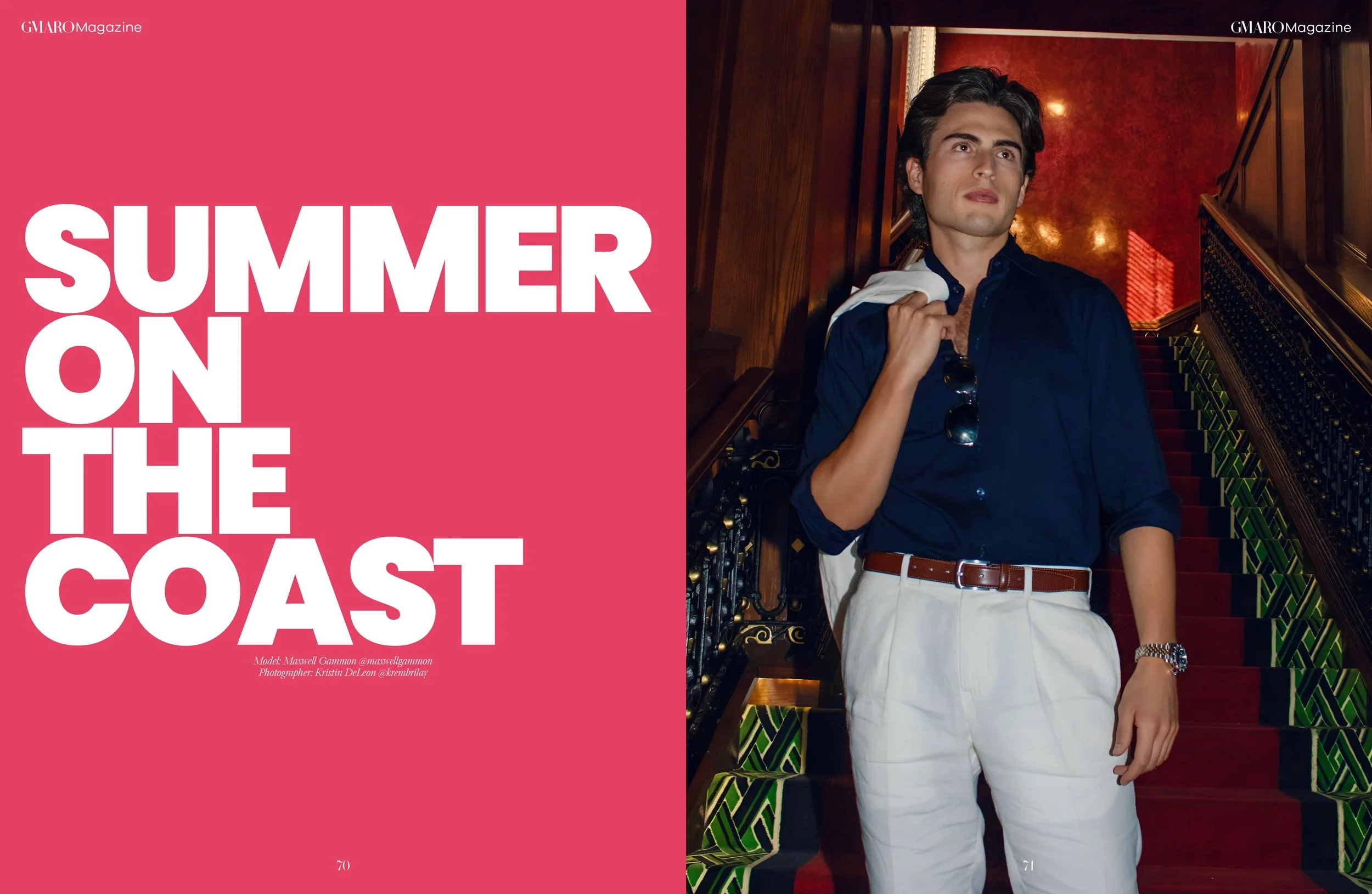
Cover Model: Maxwell Gammon @maxwellgammon
Photographer: Kristin DeLeon @krembrilay
How did your journey into modeling begin, and what first attracted you to the fashion industry?
My modeling career started in a pretty unconventional way. I was buying a vacuum cleaner from a photographer I met through Facebook Marketplace, and he asked if I had ever considered modeling. He offered to do a shoot with me, and afterward we sent the images to an agency he had previously worked with. They ended up signing me, and everything really grew from there. It definitely wasn’t something I had planned, which makes the way it all came together even more memorable.
Looking back at your early career, what was the moment when you first felt that modeling could become something truly serious for you?
I gained a lot of traction pretty early on, particularly with lifestyle work, and that gave me the opportunity to be part of some really great projects and experiences. Seeing that momentum build and realizing there was a genuine place for me in the industry was when I started looking at modeling as something I could seriously pursue.
What do you enjoy most about the creative process behind a fashion editorial?
The best part is watching everything come together. Everyone involved brings their own perspective and those ideas start to blend into something bigger than any one person originally envisioned. When all of those elements work together and you see the final images, it’s incredibly rewarding.
When working with a photographer, what helps you build the trust needed to create a strong image together?
A great photographer is essential to telling the story. You can have an incredible location, wardrobe, and concept, but if the right moments aren’t captured, the story can get lost. For me, trust comes from knowing that the photographer understands the vision while still being willing to capture spontaneous moments. That’s especially important in lifestyle work, where the strongest images often feel natural rather than overly staged.
How important is storytelling when creating a successful fashion image?
Storytelling is one of the most important parts of editorial work. The best images should almost feel as though the camera happened to capture a real moment rather than something that was meticulously posed or styled. When an image feels too manufactured, the audience can sense it. At the end of the day, fashion is about selling more than a piece of clothing—you’re selling a lifestyle, a feeling, and an idea of who someone could be while wearing it.
Are there particular designers, photographers, or creative directors whose work has shaped your own understanding of fashion?
I’ve always been drawn to brands like Ralph Lauren and Brooks Brothers. I admire the way they stay true to their identities rather than constantly chasing trends. There’s a timelessness and sophistication to it.
The modeling industry can involve constant judgment and rejection. How have you learned to deal with those pressures?
You can’t allow other people to dictate how you feel about yourself. Everyone is going to have a different opinion, whether it’s someone viewing your work or a casting director deciding whether you’re right for a particular project. A lot of the time, it simply comes down to what they’re looking for in that moment. I try not to take it too seriously. Have fun with it, enjoy the experiences, and keep moving forward.
As AI-generated imagery becomes increasingly visible in fashion, how do you think it will affect the role of human models?
I think there’s something about real models that AI will never completely replace. AI can undeniably create impressive imagery, but there can also be a certain lifelessness to it. Real people bring unpredictability, emotion, personality, and those small imperfections that make an image feel authentic. There’s something raw, in the best way, about capturing a genuine moment between real people, and I think audiences respond to that.
What do you believe a real model can bring to an image that technology cannot easily reproduce?
Being perfectly imperfect. Technology can create technically flawless imagery, but perfection isn’t always interesting. The little imperfections, expressions, movements, and unexpected moments are often what make someone stop and actually look at an image. That human element is difficult to manufacture.
As your career develops, are there other creative fields—such as acting, design, music, photography, or entrepreneurship—that you would like to explore?
I’d like to experiment more behind the camera and become more involved in creative direction. I really enjoy developing concepts and contributing to the overall vision of a shoot, and I believe I have a good eye for it. Some of my favorite work has come from shoots where I’ve been heavily involved in the direction, so I’d definitely like to explore that side of the industry further.
What would your dream fashion collaboration look like if you could choose the designer, photographer, location, and concept?
Italy, Ralph Lauren, and a yacht. Easy.
Looking ahead to the next chapter of your career, what ambitions or challenges are you most excited to pursue?
I’m most excited about continuing to meet and work with new people. One of my favorite things about this industry is how collaborative it is and how many different personalities and creative perspectives you encounter. Every project introduces you to someone new and gives you an opportunity to create something different. I’m excited to keep building those relationships, taking on new experiences, and seeing where they lead.